Suadiye’s architectural history: from garden mansions to modern apartments
Contents
Tree-lined streets, boutique windows and cafés give Suadiye its familiar character. Behind them lies more than a century of change in how people built and lived on this part of Istanbul’s Asian shore. The area once known as Domuzdamı grew from a sparsely settled landscape into a seaside retreat and, eventually, an urban neighbourhood.
From Domuzdamı to the story of Suad Hanım
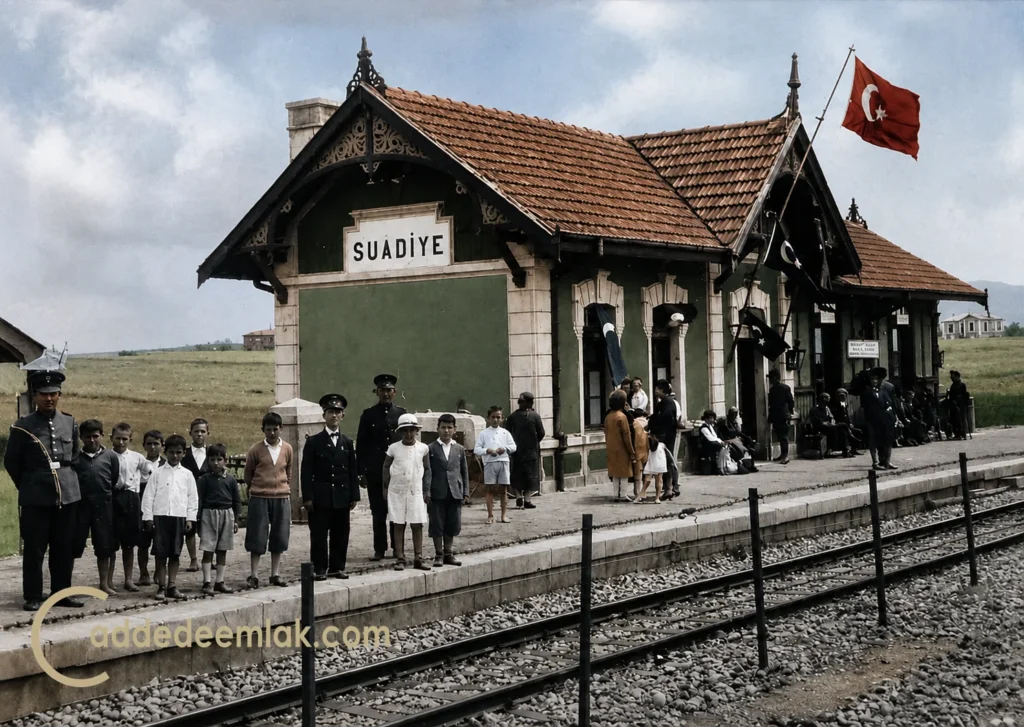
In the early 1900s, gardens and open land still shaped the area. Local histories associate the name Suadiye with Suad Hanım, the daughter of Ottoman finance minister Reşad Paşa, and with the mosque linked to her memory. The history of Villa Ögel and its surroundings dates the addition of Suadiye station to the railway line to 1888. Rail access helped the area develop as a summer retreat.
The golden age of garden mansions
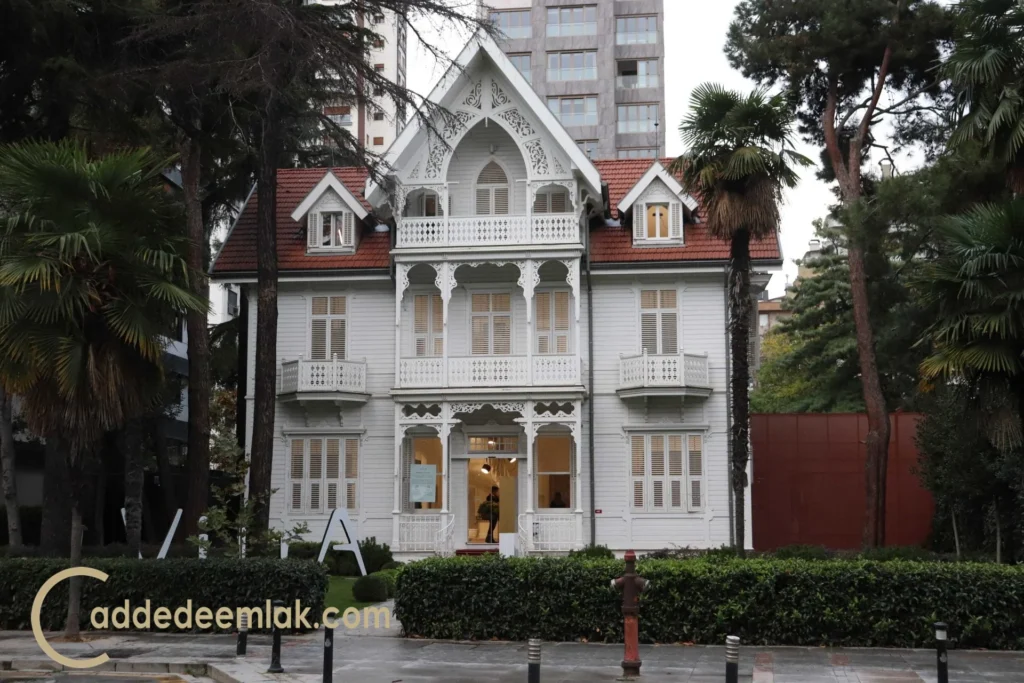
By the 1920s, timber houses stood in generous gardens. The original article identifies the mansion pictured here as Cavit Paşa Köşkü. Its steep roofs and timber ornament recall Swiss chalet architecture. Bay windows, high ceilings and verandas reflect the way the coast and gardens shaped the design of summer homes.
Modernism and its ship-like houses
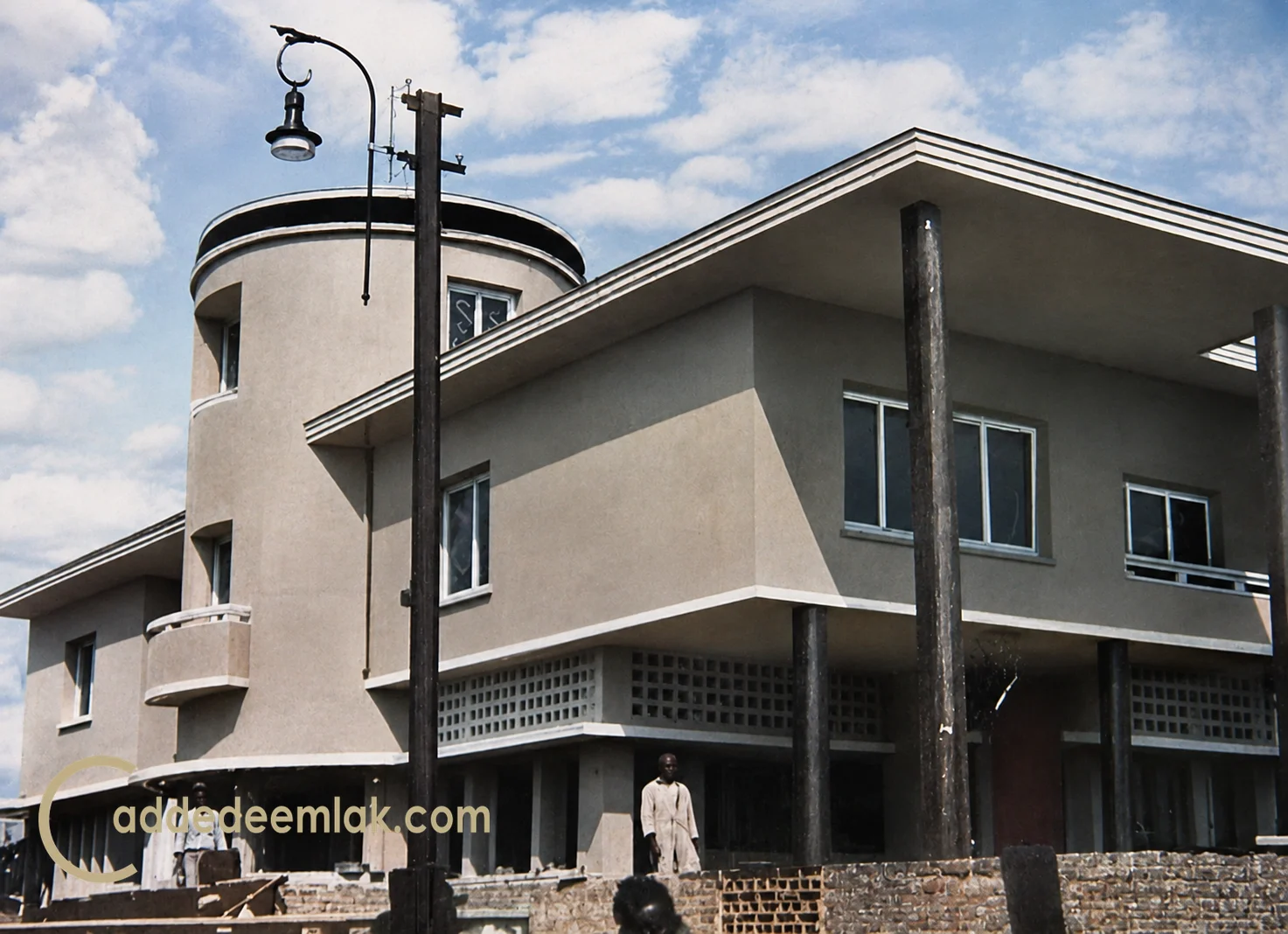
Early Republican architects brought new forms to the neighbourhood. One documented example is Seyfi Arkan’s Salih Bozok Villa. Windows and curves that recalled ships, along with reinforced-concrete construction, gave houses of this period a vocabulary quite different from that of the older timber mansions.
Ceramic panels and art on the street
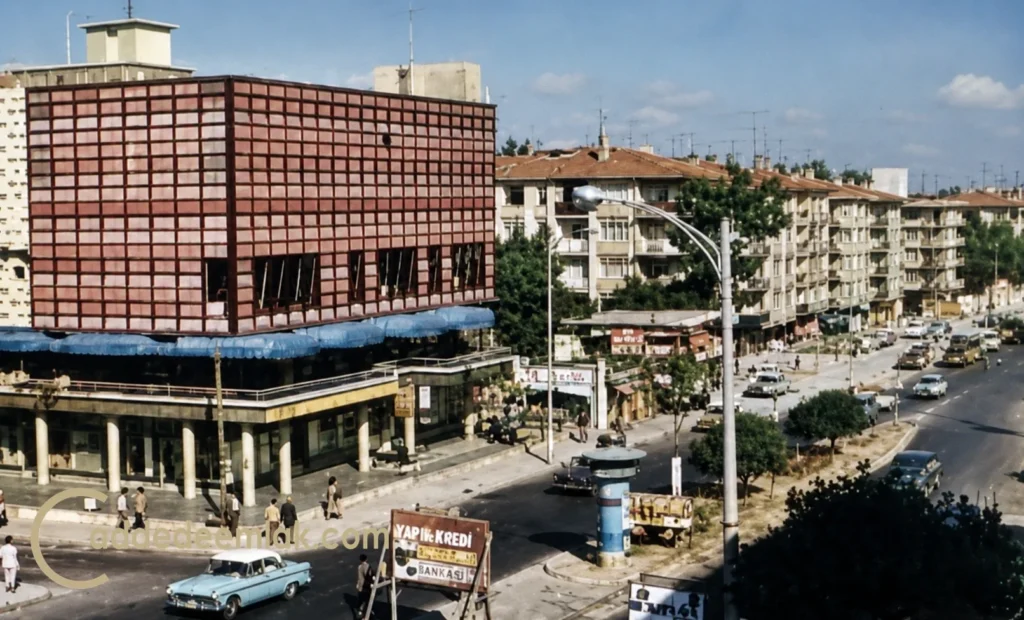
By the 1960s, apartment buildings were taking a greater role in neighbourhood life. Handcrafted ceramic panels at entrances and carefully designed stair railings brought art into everyday settings. As older buildings are replaced, these details can disappear along with the homes that contain them.
The 1980s and 1990s on Bağdat Avenue
In the 1980s and 1990s, the commercial life of Bağdat Avenue influenced building design in Suadiye and Caddebostan. Some smaller apartment buildings had one flat per floor and living rooms with generous windows. Ground-floor fashion stores turned street-facing façades into shopfronts as well as entrances to homes.
Contemporary Suadiye: glass and daylight
Some of today’s residences feature glazed façades, broad sea views, home automation and minimalist interiors. Along Bağdat Avenue, these buildings sit beside examples of earlier periods and offer a different interpretation of the neighbourhood’s longstanding connection with the shore.
Exploring Suadiye’s architecture with Caddede Emlak
Building age, design and location all help explain the character of an individual home. Caddede Emlak helps buyers and tenants explore Suadiye and Bağdat Avenue, from streets with historic houses to those lined with contemporary residences.
In the heart of Bağdat Avenue, Join us for a coffee
We would be pleased to welcome you to our Suadiye office to discuss your property sale, purchase or valuation goals in person.