Fenerbahçe Lighthouse and the history of Istanbul’s Fenerbahçe Peninsula
Contents
Fenerbahçe takes its name from the lighthouse on the headland, a landmark for sailors on Istanbul’s Asian side. The park, marina and waterfront homes that surround it today belong to a much longer history of life by the Sea of Marmara. From accounts of a Byzantine beacon to the present waterfront, the lighthouse provides a way to understand how the peninsula changed.
An ancient headland and the temple of Hera
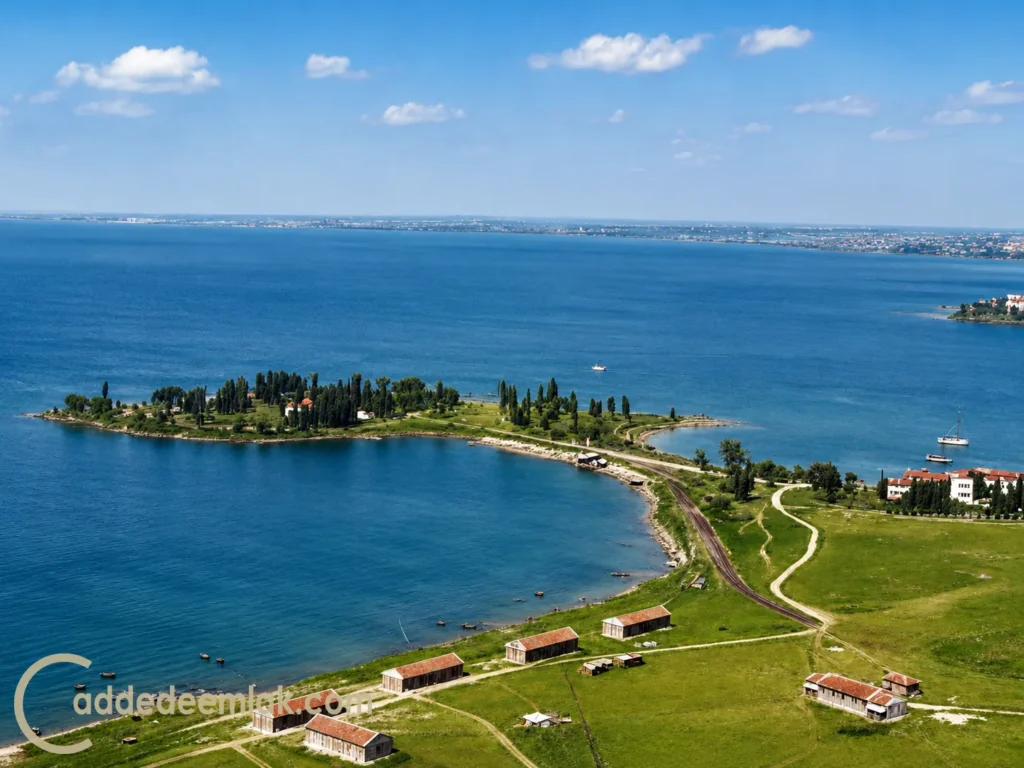
The rocky headland predates the Ottoman period. It is associated with the ancient name Heraion and a temple dedicated to Hera. The Directorate General of Coastal Safety describes an early Byzantine lighthouse and a possible beacon on the rocks as historical interpretations. These accounts link the headland with navigation long before the present tower. In later centuries the area also became associated with summer residences and places of retreat.
The first Ottoman lighthouse
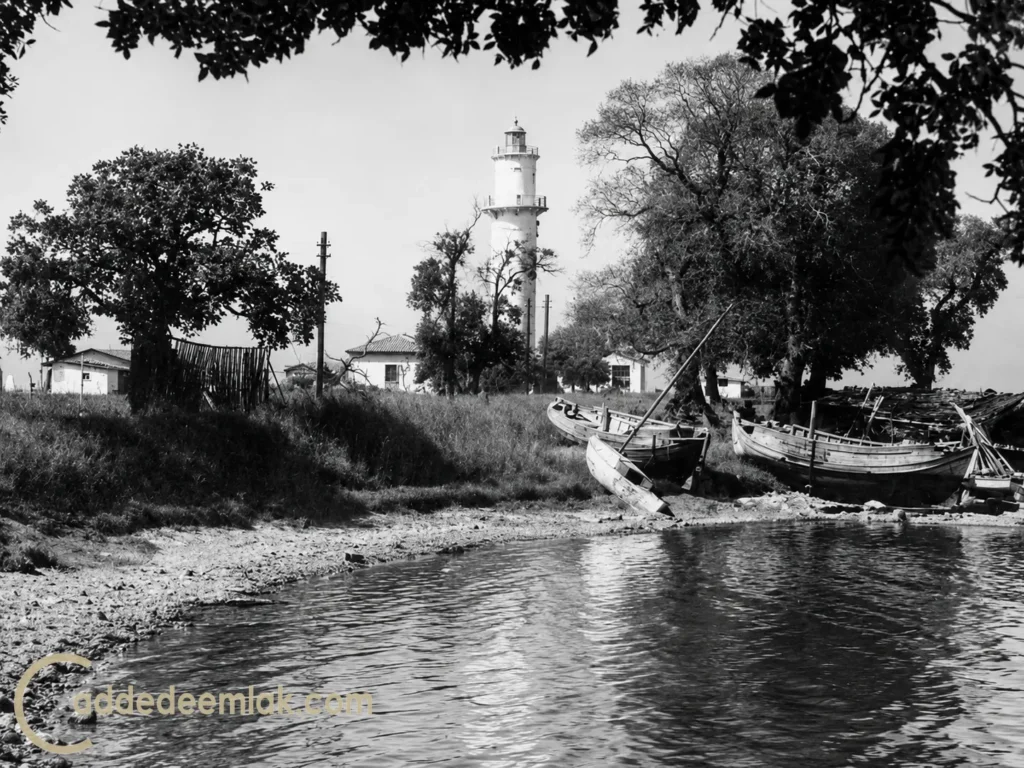
Under Ottoman rule, the headland’s navigational importance took on a more formal role. The Turkish source dates an imperial order for a lighthouse to 1562, during the reign of Süleyman the Magnificent. The district, known in the Ottoman period as Bağçe-i Fener, also became a summer retreat where members of the court and senior officials built villas among pine and mastic trees.
Modernisation and the tower built in 1857
The Ottoman Lighthouse Administration built the surviving stone tower in 1857. The lighthouse and keeper’s house are protected as national heritage by the Directorate General of Coastal Safety. The lighting system changed over time. In the early Republican period, clubs, music venues and beaches also became gathering places for residents and visitors, including Levantine families and diplomats.
From summer villas to waterfront apartments
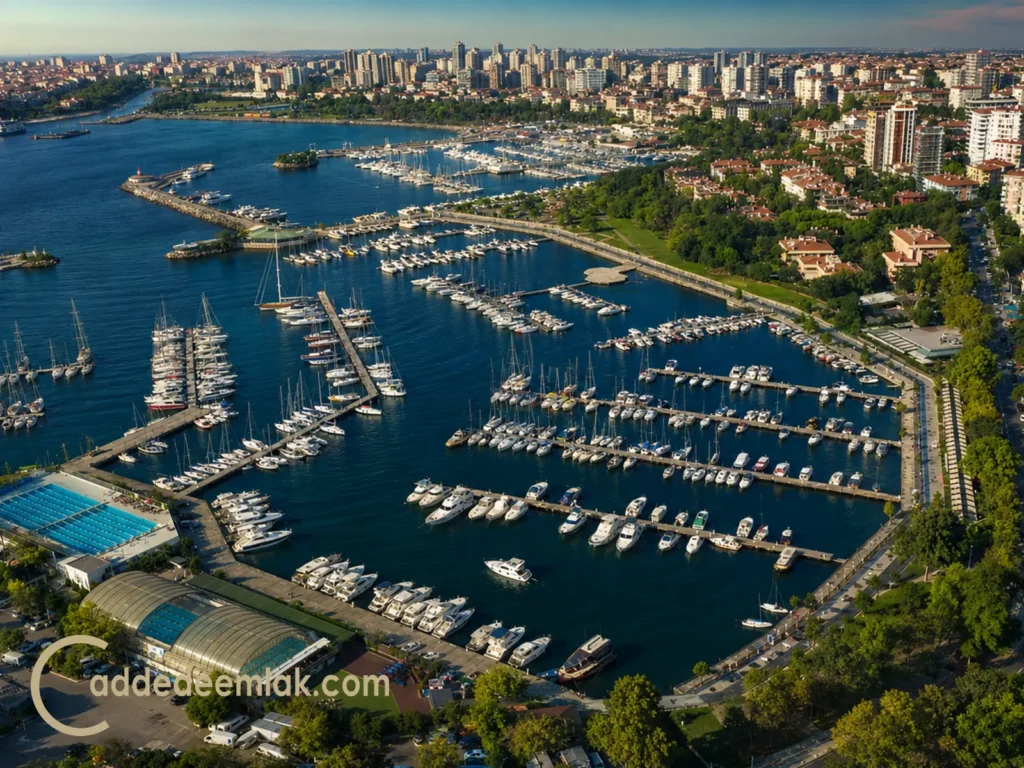
As Istanbul urbanised from the 1970s onward, newer buildings gradually replaced many large-garden villas and timber houses. Fenerbahçe nevertheless retained a green waterfront and direct access to the sea. Its open spaces and the development of the marina in Kalamış Bay helped shape demand for homes in the area.
The Fenerbahçe Peninsula today
Views of the sea, proximity to Kalamış Marina and access to Fenerbahçe Park help explain the appeal of homes on the peninsula. The same location can offer very different properties, from waterfront apartments to units on streets farther inland. The Fenerbahçe and Kalamış property guide (in Turkish) covers the local market in more detail.
Frequently asked questions :
What was the headland called in antiquity?
It is associated with the name Heraion and a temple dedicated to Hera. Accounts of a beacon on the rocks are historical interpretations.
When was the present lighthouse built?
The Ottoman Lighthouse Administration built the surviving tower in 1857.
What distinguishes the local property market?
The peninsula’s waterfront, park, marina and history of seaside villas distinguish it within Kadıköy. A property’s value depends on its specific location and features.
In the heart of Bağdat Avenue, Join us for a coffee
We would be pleased to welcome you to our Suadiye office to discuss your property sale, purchase or valuation goals in person.