
How Bağdat Avenue got its name: the history of Istanbul’s Bağdat Caddesi
Contents
Bağdat Avenue is one of the best-known streets on Istanbul’s Asian side, with shops, cafés and residential buildings. Its name also preserves a story much older than the present streetscape. The former route towards Anatolia links the city’s military and trading history with the later growth of Kadıköy’s coastal neighbourhoods.
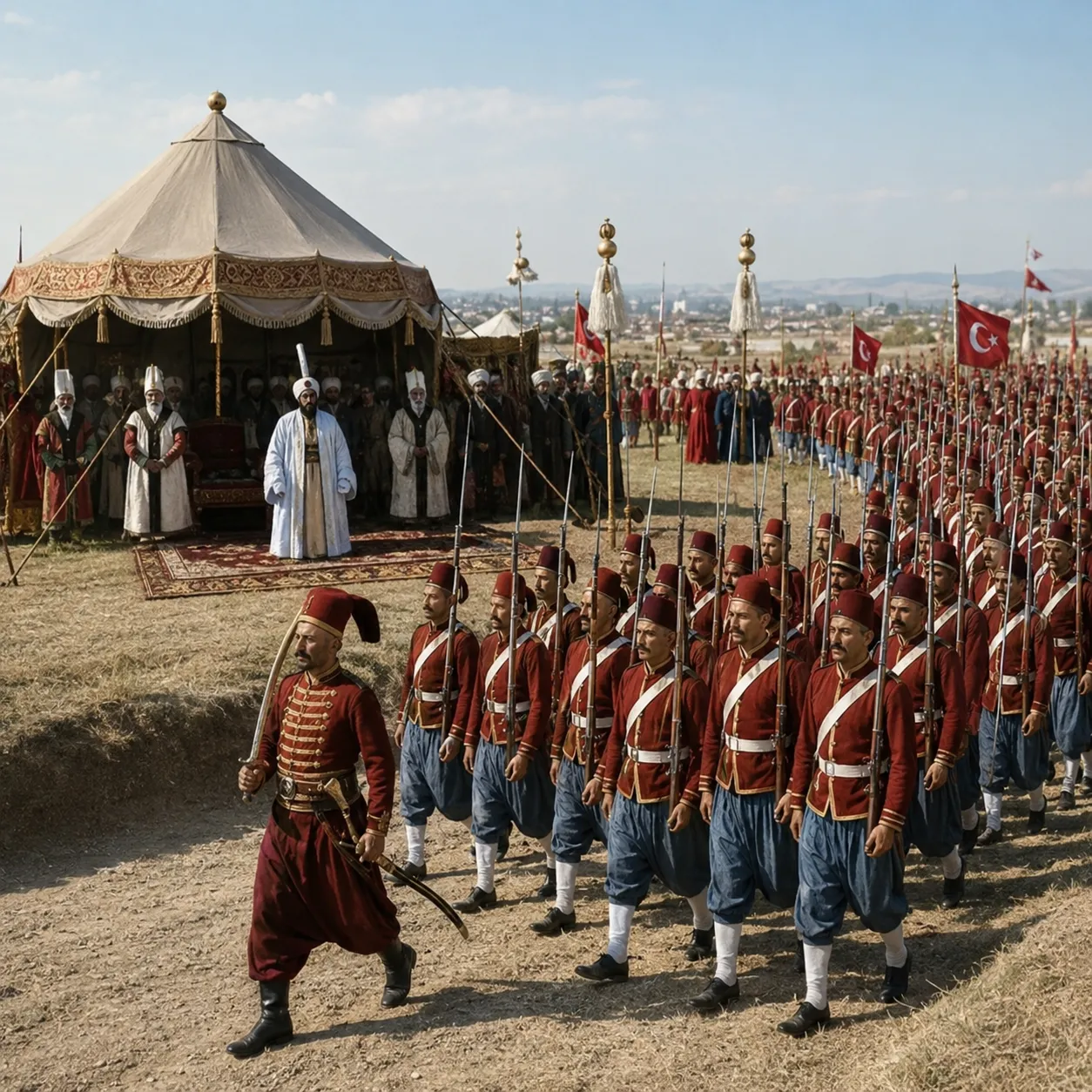
The route connected Istanbul with Anatolia in Byzantine times and served Ottoman armies and trade caravans. In 1638, Sultan Murad IV set out to retake Baghdad from the Safavids. The source article describes Ottoman forces assembling around Üsküdar and Haydarpaşa and travelling inland along the route through what is now Kadıköy.
The campaign returned Baghdad to Ottoman control. Historical accounts associate the road’s name, Bağdat Yolu, with that campaign and the route the army used. The street was subsequently modernised as transport and settlement developed on the Asian side.
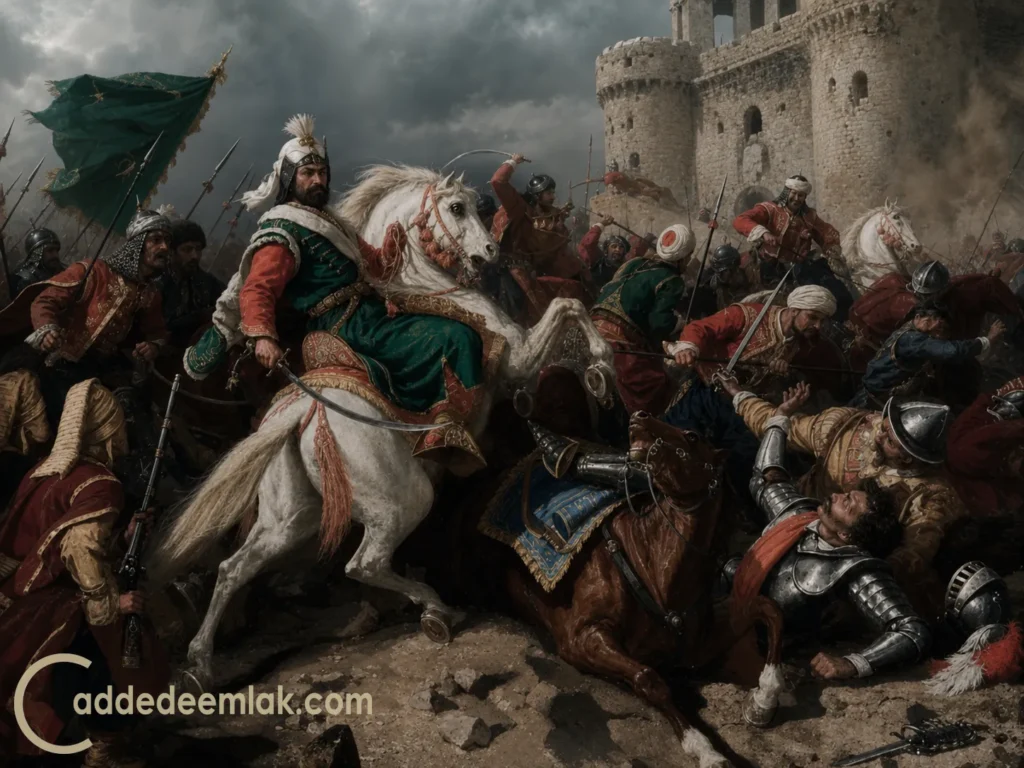
The name Bağdat Avenue and Murad IV’s Baghdad campaign
The victory is the traditional explanation for the name. A study drawing on Ottoman archives also notes that the avenue name was already in use before the mid-19th century. The modern street developed over successive periods, with later transport improvements changing how residents used it.
Neighbourhoods and fountains along the old road
Fountains and outdoor prayer sites along the road served people travelling to Anatolia. Soldiers, messengers and merchants could stop to rest and replenish their water. Neighbourhood names such as Söğütlüçeşme, Selamiçeşme and Çatalçeşme recall that network of fountains and stopping points.
Ottoman summer residences and timber mansions
By the late 19th century, particularly during Abdülhamid II’s reign, officials, wealthy merchants and members of the court were drawn to the Asian shore’s gardens, open land and views of the Sea of Marmara. Timber mansions became a feature of these summer districts. The history of the Zülüflü İsmail Paşa Mansion in Göztepe (in Turkish) offers a local example.
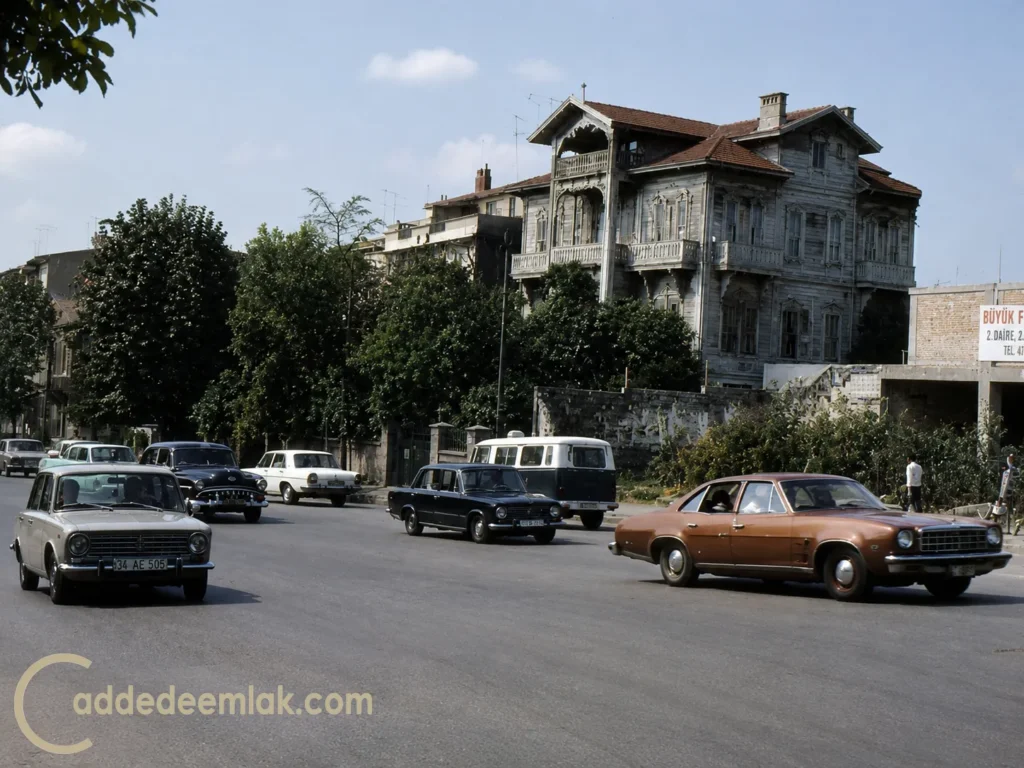
The avenue in the early Republic
Bağdat Avenue remained a summer destination into the Republican period. Paving and the Kadıköy–Bostancı tramway made the area more accessible and encouraged year-round settlement. In the 1950s and 1960s, summer houses, fruit gardens, a quiet waterfront and evening walks were part of the area’s social life.
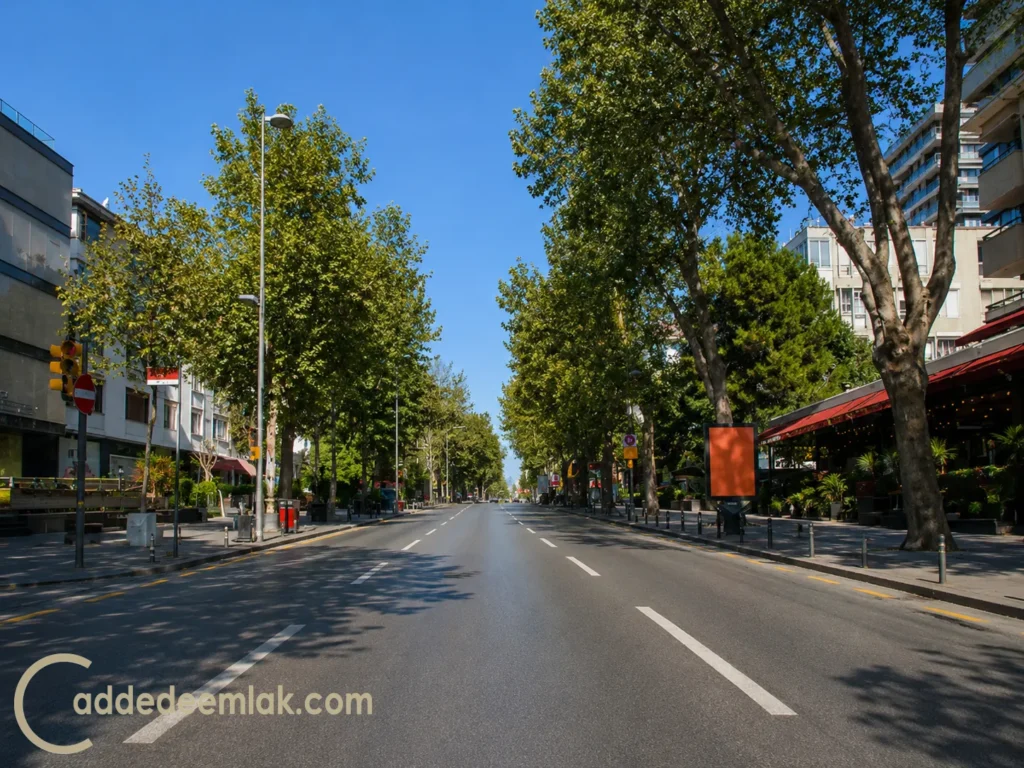
Modern homes and the avenue’s heritage
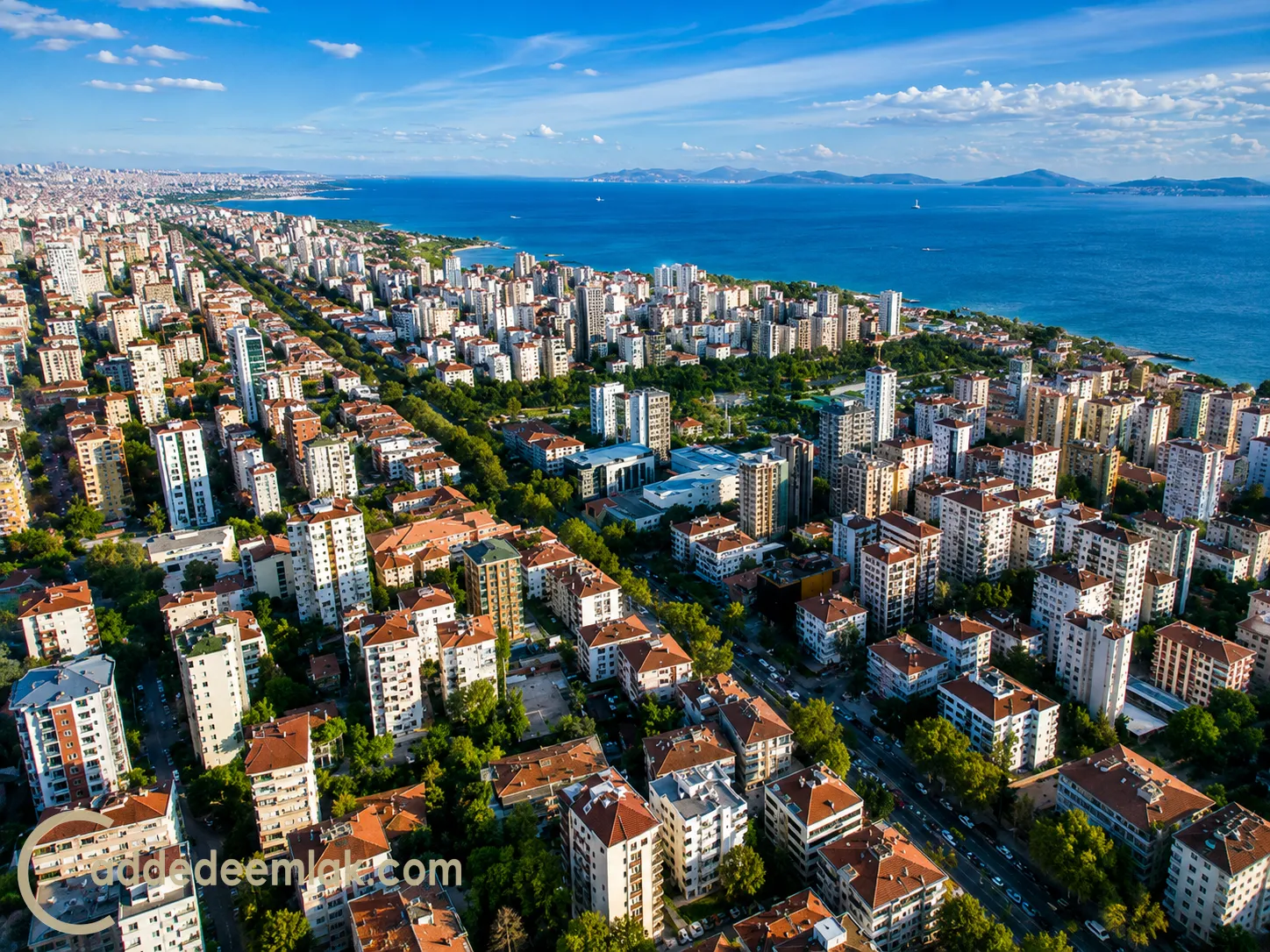
Urban renewal has added contemporary apartment buildings to a street once known for its timber houses. Its history remains visible in the surviving mansions, neighbourhood names and relationship with the coast. The guide to cafés, dining and property on Bağdat Avenue explores a more recent change in the area. Construction and investment characteristics vary from property to property.
Frequently asked questions :
Where does the name Bağdat Avenue come from?
It is traditionally linked to the route used by Murad IV’s forces during the 1638 Baghdad campaign.
Where do the names Selamiçeşme and Çatalçeşme come from?
They recall historic fountains at stopping points on the Ottoman road.
When were the avenue’s historic mansions built?
Many of the summer mansions date to the late 19th and early 20th centuries, around the reign of Abdülhamid II.
In the heart of Bağdat Avenue, Join us for a coffee
We would be pleased to welcome you to our Suadiye office to discuss your property sale, purchase or valuation goals in person.